


Delhi – The heart of India
- Expat News, Lifestyle in India,
- 0 Comment
- June 8, 2021
A city that was completely destroyed by invaders and then rebuilt each time, tells a story of resilience that’s hard to find elsewhere even till date. The city of Delhi or Dilli as it is locally called is a city built over centuries and one that imbibes cultural influences of invaders, migrants and visitors into a single melting pot.
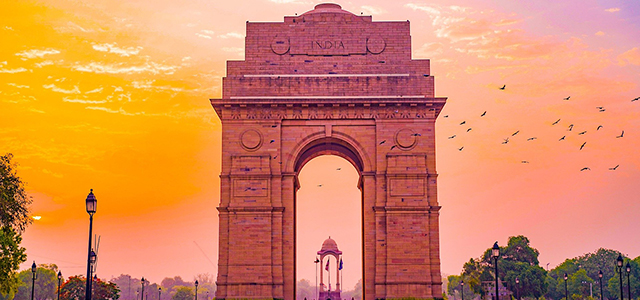
With a population of 15 million drawn from all four corners of the Indian subcontinent, India’s capital city is a true reflection of the country’s cultural diversity. Strategically located between the Aravalli hills and the Yamuna river, its site has been occupied for millennia. It is jointly administered by the federal government of India and the local government of Delhi, and serves as the capital of the nation as well as the National Capital Territory (NCT).
The first city on the site of modern Delhi was Indraprastha, the legendary Pandava capital of the Mahabharata. Excavations at the Purana Qila. Next came Lal Kot, founded in the 8th century by Tomara and then Chauhan Rajputs. The Muslim Delhi Sultanate built the Qutb Minar complex, Siri and then Tughlaqabad, all in the south. The next city, Firozabad, was followed by those of the Sayyids and the Lodis, whose tombs stand in Lodi Gardens. The Mughals took over, and their legacy is Shahjahanabad, also known as ‘Old’ Delhi. They were supplanted by the British, and between 1911 and 1931 ‘New’ Delhi was designed by Edwin Lutyens and Herbert Bake.
Delhi is one of the high-power ancient regions and has served as a capital of various kingdoms and empires, which has regained and improved cultural beauty throughout history with different empires controlling it. From the Mauryans in the 3rd century BC and the Sultanates of the medieval era to the Mughals and, finally, the British, each of Delhi’s conquerors has left their own impressive remains, and these stand today in often surreal juxtaposition to the modern urban sprawl.
One side of Delhi is still with the ancient style architecture, old winding lanes and age-old markets, and whereas New Delhi is getting flourished in a modern and well-planned way. This diversity in culture makes Delhi a most prominent tourist attraction.
This sprawling city has two centers, Old and New Delhi, and a series of ancient villages and sites that have been engulfed by newer residential areas (known as colonies). These newer areas mostly lie either to the south (where Delhi extends for many kilometres) and across the border into the neighbouring state of Haryana, where the city of Gurugram forms a de-facto Delhi suburb, or on the eastern side of the Yamuna such as NOIDA area, called the National Capital Region (NCR).
Dellhi attracts people from across the country who come here looking for their city of dreams. Delhi is the second-wealthiest city in India after Mumbai. Delhi ranks fifth among the Indian states and union territories in human development index. The culture of Delhi represents the culture of all the states of India. It is a kind of synthesis and reflection of the culture of India, as a whole. The religious representation of Hinduism in Delhi city is more than 81.68% of Delhi’s population, followed by Islam (12.86%), Sikhism (3.40%), Jainism (0.99%), Christianity (0.87%), and Buddhism (0.11%). Other minority religions include Zoroastrianism, Bahaism and Judaism.
Delhi features a dry-winter humid subtropical climate bordering a hot semi-arid climate. It is very hot in summer (April – July), Monsoon season falls in (July -Sep) and cold in winter (December – January). The average temperature can vary from 25oC to 45oC during the summer and 22oC to 5oC during the winter. More than 80% of the Delhi population speaks Hindi. The remaining population prefers Punjabi, Bengali, Urdu, and others. Just like any other region of India, English is the most common foreign language preferred. Contrary to common belief, Hindi is not the national language of the land, but it is one of the official languages.
During the 1990s and early years of this century the city struggled to cope with the effects of its rapid expansion – pollution, traffic congestion, shortages of water and power, continual construction – and an extreme climate. However, more recently Delhi has reinvented itself as one of the most forward-looking and best-run cities in India. Pollution has been reduced (thanks to a ban on diesel for public transport vehicles), illegal slums cleared and a state-of-the-art new metro system built. Mumbai may remain the financial hub, but Delhi is where the country’s wealthy elite – its leading industrialists and designers, as well as its writers, artists and musicians – all want to live. The new affluence has spawned a booming retail sector, too, with a swathe of glossy new malls and chic boutiques spreading southwards towards the state boundary in tandem with luxury housing projects.
Housing
An individual’s choice of accommodation in Delhi will depend on their lifestyle and the neighbourhood in which they wish to reside. Most of the housing in Delhi consists of independent houses or free standing houses. For modern high-rise apartment complexes majority of the options are located in the adjoining cities of Gurugram and Noida. Neighborhoods in Lutyens Delhi and South Delhi are preferred by the expatriates while identifying housing options. Neighborhoods in “Lutyens Delhi” like Chanakyapuri, Sunder Nagar, Jor Bagh, Golf Links, still maintain their historical charm, but unfortunately do not have many modern housing options available. The neighborhood here is well planned and less congested. It has well maintained parks, which can be used by the children to play and the commercial vehicles have limited access to the inner roads of the area, making it pretty safe to walk around in the neighborhood.
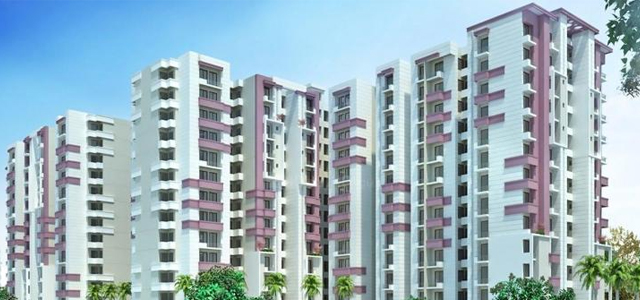
In recent times a lot of expatriate population has ventured out to relatively newer neighborhoods in South Delhi, like Vasant Vihar, Shanti Niketan, West End and Anand Niketan. These neighborhoods have the advantage of being close to the Embassy Area as well as to the International Schools. In addition to this, these neighborhoods are relatively closer to the domestic and International Airports and the suburban city of “Gurugram” & “Noida”. The Expat localities have independent houses and independent floors. Some of the newly constructed apartments are well planned and luxurious with modular kitchen and modern fixtures and fittings. Very few apartments come with a well laid out terrace garden and a ground floor apartment would come with a basement which could be used as a multi-utility area.
Independent floors are also known as builder floors are one of the most popular types of property in Delhi. Independent floors are typically in low rise buildings and tenants can rent an entire floor rather than just a section or part or it. While individual floors offer more privacy than in a high rise apartment, amenities are not always available such as Club houses (Gym/Swimming Pool etc), Gated Community, or 100 % power backup for electricity backup in case of power cut.
While in a highrise apartment / Condominiums they have well-maintained play area for children and the commercial vehicles have limited access to the inner roads of the society, making it pretty safe to walk around in the neighborhood with good security system in place and access to Club House facilities like Gymnasium, Swimming Pool, Grocery store etc all within one roof.
While looking for an apartment in the city there are a few things to be considered. For example, unfurnished apartments lack all basic household and kitchen appliances including air conditioners. These can sometimes be negotiated with the landlord. On the other hand, furnished apartments are very few and furniture is not always up to expat quality.
There are very few Hotel service apartments in Delhi & Noida but you can find some good options in Gurugram. Though there are customized apartments but they are not expat preferred due to lack of amenities and low quality of furniture & fixtures. Due to lack of space, some buildings do not have open areas such as balconies or terraces and a garden is rare.
One needs to check if the rental quoted is inclusive of apartment associated maintenance costs and if the landlord is providing you with utility connections. The set up cost is sometimes borne by the landlord and the monthly rental and usage charges are borne by the tenant. The monthly payment will have to be made directly to the vendors. Please note that there is always a due date for making payments.
Landlords typically ask for 1-3 months of advance rent but what sets you back is the security deposit, a refundable deposit that could be anywhere between 2-3 months of monthly rent. The rental agreements are signed for a minimum period of 11 months with a one to two month notice for termination and a lock in period of a minimum of 10 months, which can be negotiated depending on the other commercials offered. Longer agreements come with a clause for an increase in rent at about 5 – 10% on completion of every year. The long term leases are usually registered and the cost is borne by the landlord and Tenant equally.
Delhi Cuisine
As India’s national capital and centuries old Mughal capital, Delhi influenced the food habits of its residents and is where Mughlai cuisine originated. Along with Indian cuisine, a variety of international cuisines are popular among the residents. The fast living habits of Delhi’s people has motivated the growth of street food outlets. A trend of dining at local dhabas is popular among the residents.
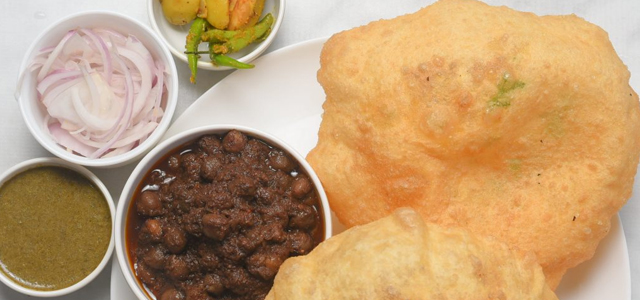
The dearth of food habits among the city’s residents created a unique style of cooking which became popular throughout the world, with dishes such as Kebab, biryani, tandoori. The city’s classic dishes include Butter Chicken, Dal Makhani, Shahi Paneer, Aloo Chaat, Chaat, Dahi Bhalla, Kachori, Gol Gappe, Samosa, Chole Bhature, Chole Kulche, Gulab Jamun, Jalebi And Lassi.
Healthcare
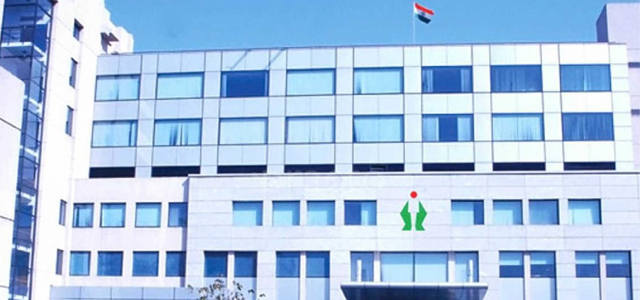
Delhi – NCR has some of the best world-class hospitals where thousands of international patients come for treatment each year. However, public facilities don’t often meet international standards and you’re better off going to a private hospital. You’ll easily find English-speaking staff at most private hospitals. But despite affordable medical facilities in the city, it is best to take medical insurance that covers all your medical expenses. Some of the best hospitals in the city are Fortis Hospital, Max Hospital Saket, Moolchand Medicity and Indraprastha Apollo Hospital.
There are however certain precautions that one needs to take in Delhi to maintain the health of their family. For example, all water must be boiled and filtered before drinking or used for oral hygiene. Drinking tap water directly is not recommended and one should always use a water filter at home or buy filtered water.
Schooling
With India gaining popularity globally, Delhi, the financial capital, stands to gain a lot and this fact is clearly reflected in terms of education. Delhi, today, is considered a desirable destination to pursue education and is a favored educational destination among many nationalities. The schools and other educational institutions in Delhi are either run by the NCT government or by private organizations.
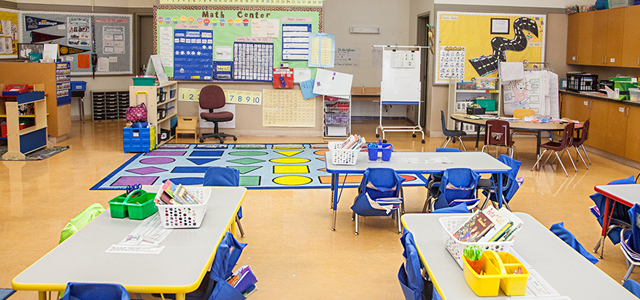
The medium of learning is usually English or Hindi and these schools are affiliated to either the Indian Certificate of Secondary Education (ICSE) or the Central Board for Secondary Education (CBSE). Delhi also has several international schools and pre-school available, offering both British and American curriculum. The American school early childhood education center has a program for three to five year.
Some of the top international schools in the city are American Embassy School, British School, , Lycée Francais de Delhi, The German School, The Japanese School, Pathways School Gurugram , Lancer’s international school, Gurugram and Global Indian International School, Noida.
The availability of seats is limited in all schools, so it is best to start the admission process as soon as possible.
Finance
Delhi is the best paid city for expats across the world. Foreign professionals in the Indian metropolis earn higher than what expats make in cities like San Francisco and London. That’s more than enough to live a lavish life in the city.
The official unit of currency is Indian Rupee. As a foreigner employed in India, binding to the India foreign exchange and Income tax law, you are restricted to open one bank account per city. Foreign nationals have to obtain a PAN (permanent account number) card for applying for a bank account.
Direct taxes are low in the city compared to most international cities but you’ll need an accountant to help you with your taxes, given the highly complex tax structure. Overall, depending on the income level, taxes vary from 5 percent to 33 percent. Additionally, there is a GST (Goods & Services Tax) charged at almost everything that you purchase in the city or any services that you avail. The GST rates vary between 5-28 percent depending on the type of goods and services being availed.
Transportation and Shopping
More than half of the local population in Delhi is dependent on local transport for commuting purposes. The means of transport in New Delhi are many, ranging from cheapest trains and buses to expensive taxis. Although the public transport options are not recommended for foreigners/ Expats. Buses are one of the cheapest modes of transport in Delhi. In fact, the capital city boasts of one of the largest bus transport systems in India.

Taxis are easily available in Delhi for hiring purposes and are mostly operated by private operators and Indian tourism. They are available for both local and outstation purposes. You can easily book a cab from apps like Ola and Uber these days.The other mode of transport is Auto Rickshaw (three wheeler). They are more expensive than buses but cheaper than taxis. Also they are easily available as they can be flagged from the road. However one has to be careful while hiring autos. This is because most of the autos drivers refuse to play by the meter.
The safe mode of Transportation which can be even used by Foreigners is Metro. It is now accessible to almost all major parts of Delhi NCR but still under construction in some of the routes. Most of the expats are provided with a private company car and driver during their stay in India.
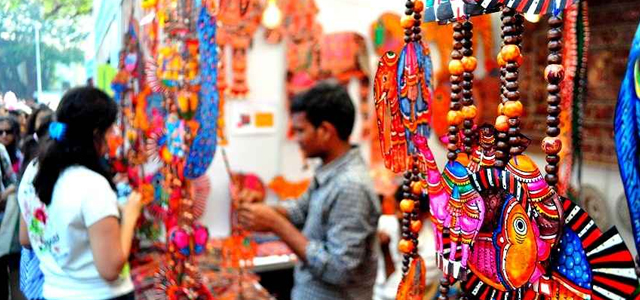
To go out and shop, malls are your best bet since local markets are often crowded but Delhi has some really best local markets for shopping such as INA Market, Connaught Place etc and some of the popular malls in Delhi are Ambience Mall Vasant Kunj, DLF Promenade Vasant Kunj, Select CIty walk Saket etc and in Noida – DLF Mall of India and The Great India Place with many good malls available at Gurugram.
Safety
Delhi is an extremely crowded city that means there are people everywhere, round the clock, making Delhi one of the safest cities in India and at par with most European cities in terms of safety. That said, it is a large metropolis and it is advisable to take general safety precautions.
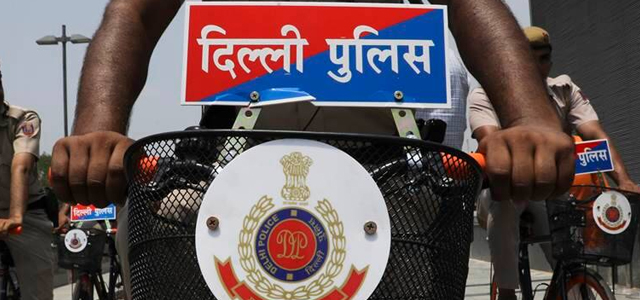
It is advisable to follow safety rules which you would anywhere in the world. It is best to avoid secluded places late at night and dress modestly to avoid unwanted attention. But beyond that, you can indulge in the city’s nightlife with minimum worries.
Immigration
Before the onset of the Covid-19 pandemic in 2020, the Indian government had made several changes to the country’s visa policies, making it easier for foreign nationals to travel to India for work or for leisure. Indian visas are divided between Regular Visas, e-Visas and Visa-on-Arrival. As per the recent changes now an applicant can apply for e-Tourist or e-Business Visa any time before his travel to India. The validity of the visa has now been made 365 days. Thus, an applicant can enter India any day post the grant to e-Tourist and e-Business visa until any time in the next 365 days.
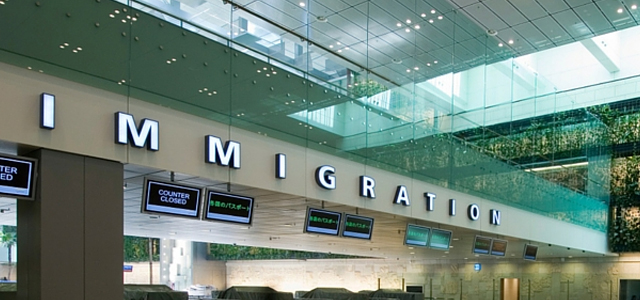
Maximum continuous stay period allowed under e-Tourist visa is up to 180 days for – USA, UK, Canada and Japan. For other countries it is 90 continuous days. Similarly, under e-Business visa, a continuous stay of 180 days is allowed and there is no requirement for registration. If the stay exceeds 180 days or if the aggregate stay in a calendar year has increased then 180 days then the applicant is required to register with the FRRO/FRO within 2 weeks of the completion of 180 days in India.
India also has a facility for visa-on-arrival, which has now been extended to nationals of South Korea and UAE also in addition to Japanese nationals. For UAE nationals though they are eligible for this category of visa only if they have applied for e-Visa and/or Regular sticker visa in the past. The validity of the visa is 60 days and can be used for tourism, business, conference and medical visit purposes. Pakistan-origin UAE nationals are not eligible for this visa category and would need to apply for a regular or e-Visa.
Currently, the regular Tourist Visa, e-Visas and Visa-on-Arrival remain to be suspended until further notice due to the Pandemic. All other visa categories that is – Employment, Dependent, Student and Business Visa are being issued by the Indian missions abroad. In-country visa services like Resident Permit, Visa Extension, Change of Address/Passport etc are being processed smoothly.
0 Comment




Leave a Reply